



At Blumaka, we wake up every day dedicated to one simple, powerful idea: use what you have before making something new. It’s a message as old as time, and it’s never been more relevant. We were heartened to see Nike’s Chief Design Officer, Martin Lotti, echo this principle in a recent article in dezeen. Lotti stated, “The biggest area where we can have an impact in the amount of products we create is how we choose materials.” He also noted that “many of our shoes we’re doing right now — 80 percent of the materials we have — have recycled content in it.”
This is an important statement, but let’s be clear on what it means. It doesn’t mean their shoes are made of 80% recycled materials; rather, it means that 80% of the different materials used in their shoes contain some percentage of recycled content. Whether it’s an outsole with 5% recycled rubber or laces made with 95% recycled fibers, it’s a positive step. Every percentage point matters — because using recycled content is one of the fastest, most impactful ways to reduce environmental harm.
At Blumaka, we’ve known this for years. We’ve been pioneering foam recycling in footwear and proving that recycled foam not only performs as well as virgin materials, but often better. Every year, the footwear industry discards enough perfectly good foam to make 2.5 billion pairs of shoes. If brands committed to using just this material — even partially — we could reduce global demand for new foam by 10%. That’s a huge opportunity for real environmental impact.
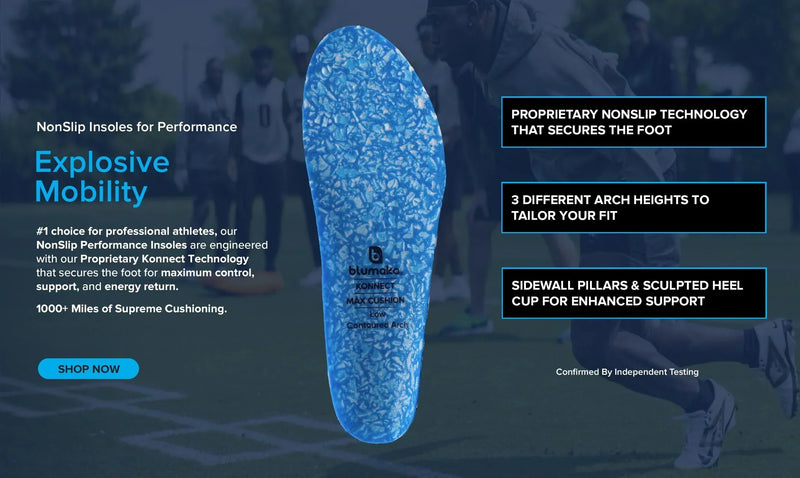
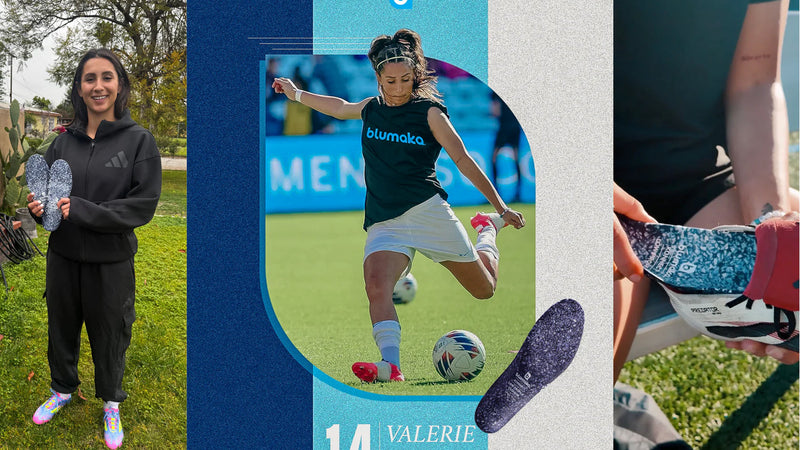
And why shouldn’t they? Our recycled foams are used in Blumaka insoles by hundreds of professional athletes who rely on them for enhanced ground reaction force, stability, speed, and performance. Our Fleks footwear brand — slides, flip-flops, and clogs — uses footbeds made from over 80% recycled content. These products provide cushioning that lasts 5 to 10 times longer than most competitors.
Where Martin Lotti misses the mark is in stating that “almost all shoes are currently impossible to separate into their constituent materials at the end of their life, meaning they cannot be recycled.” That’s simply not true. The technical ability to do this exists today. Sneaker Impact, one of the leading footwear recyclers in the USA based in Miami, Florida, has proven the capability to disassemble old shoes and separate materials for reuse. Blumaka has worked with Sneaker Impact to use post-consumer recycled foam in the production of new shoes. We’ve done it with 100% certainty and repeatability.
The real challenge to circular footwear is not technology — it’s logistics. Most brands don’t want to bring manufacturing closer to home because it doesn’t fit their existing global supply chains. Shipping reclaimed raw materials across the world often increases carbon footprints and faces resistance from foreign governments protecting local industries.
But that’s why Blumaka exists. We’re committed to making sustainable solutions real, scalable, and accessible. Recycled materials should be the first choice for brands striving to create more sustainable products. And consumers should demand it. Footwear brands have a responsibility to account for the waste they create, and that responsibility doesn’t end with shipping discarded foam to become carpet padding or concrete filler. Footwear foam should be used for footwear.
At Blumaka, we’re proud to be leading the charge. The future of sustainable footwear is not a distant dream — it’s a reality, and it starts with using what we already have.